Personalized Medicine in India: The Future We Cannot Afford to Delay
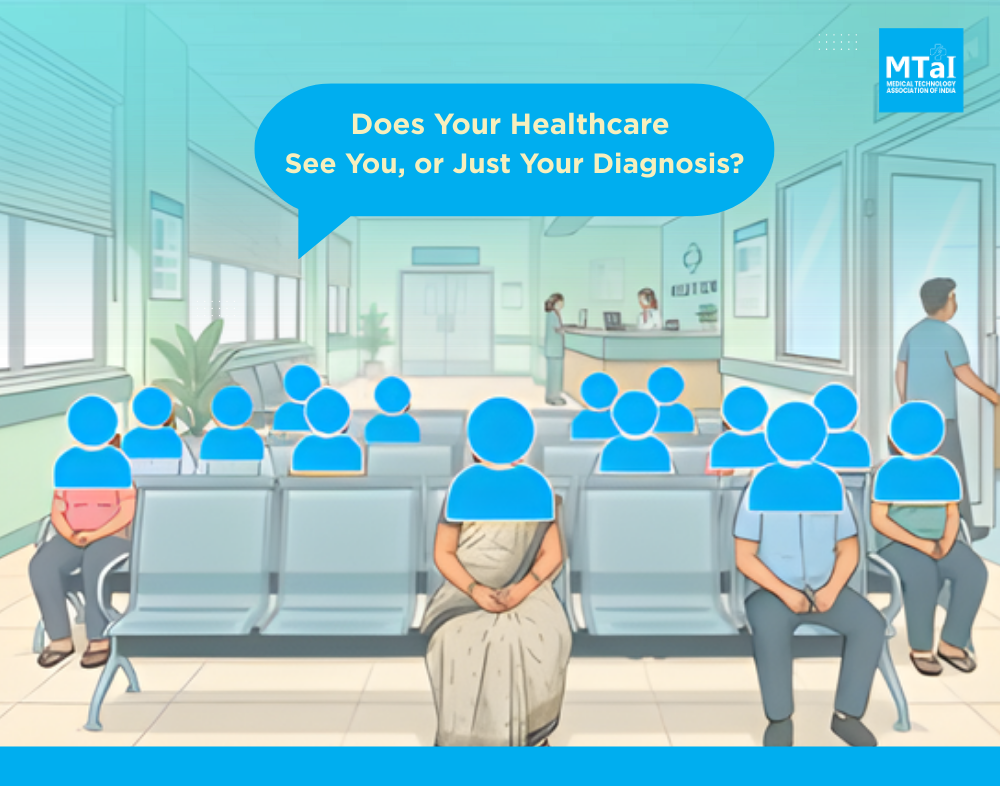
Over the past decade, India’s digital habits have transformed profoundly. Personalised recommendations now shape what people watch, buy, and consume. Healthcare, too, has made meaningful progress- access has expanded, infrastructure has improved, and digital tools are increasingly embedded across the system. Yet one critical dimension continues to lag: care tailored to the individual patient. Even today, patients with the same diagnosis are often placed on identical treatment pathways, despite well-established biological, lifestyle, and environmental differences that influence disease progression and treatment response. This gap presents both a challenge and an opportunity. As India strengthens its digital infrastructure, clinical capacity, and healthcare investment, it has the chance to move beyond population averages toward care that reflects individual variation.
Doing so can improve outcomes, enhance patient experience, and use resources more efficiently. Importantly, this is not a distant vision. The foundations for personalized medicine are already taking shape in India today.
India’s Diversity Demands a More Precise Approach
With a population exceeding 1.3 billion, India is one of the most genetically, ethnically, and environmentally diverse countries in the world. Variations in geography, diet, occupation, exposure to environmental pollution, and lifestyle, create distinct disease patterns and health risks across communities. These factors directly influence how diseases present and how patients respond to treatment-affecting drug metabolism, side-effect profiles, recovery trajectories, and long-term outcomes. Clinicians encounter this variation daily. Yet traditional models of care remain anchored in standardised protocols designed for scale rather than precision. Personalised medicine offers a structured way to turn India’s diversity into a clinical advantage. It enables earlier and more accurate diagnosis by analysing individual biological signals, aligns therapies to patient-specific risk and biology, and reduces costly trial-and-error in treatment selection.
Over time, this improves outcomes while lowering system costs through prevention and early intervention. Scientific progress and operational efficiency, in this context, reinforce one another.
How MedTech Is Advancing Personalised Care
Diagnostics as the foundation of decision-making
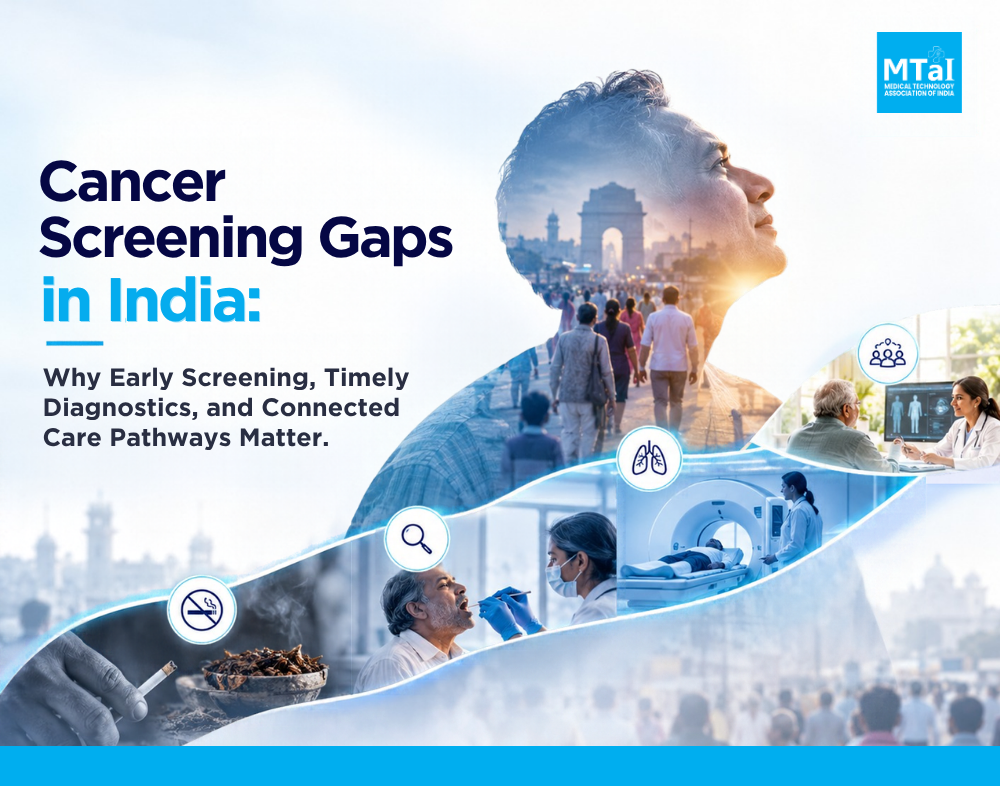
Next-generation diagnostics are transforming how disease is understood. AI-enabled digital pathology can analyse tissue samples with consistency and precision that often exceeds manual review, identifying subtle cellular changes and predicting therapy response from a single biopsy. Similarly, AI-driven imaging in CT, MRI, and PET scans can detect early disease progression and treatment-specific vulnerabilities. Molecular diagnostics go further by identifying genetic mutations, protein markers, and biological pathways driving disease. In oncology, markers such as EGFR, ALK, or BRAF directly guide therapy selection. In diabetes and cardiovascular disease, molecular insights reveal genetic risk and metabolic patterns requiring tailored strategies. Diagnostics are no longer a confirmation step; they are the foundation of personalised clinical decision-making.
Genomics moving beyond specialist centres
Genomics is increasingly accessible as sequencing costs decline. Biomarker-based tests, once confined to tertiary hospitals, are expanding into broader healthcare settings. This shift is particularly important in India, where inter-individual variation is high and delayed diagnosis remains common. Genomics can shorten diagnostic odysseys for rare diseases, guide therapy selection in cancers, and explain variability in drug response. A child with sickle-cell disease or a patient with a rare genetic disorder may follow entirely different care pathways depending on underlying mutations. As access expands, genomics has the potential to reduce uncertainty and accelerate effective treatment across the system.
From episodic visits to continuous insight
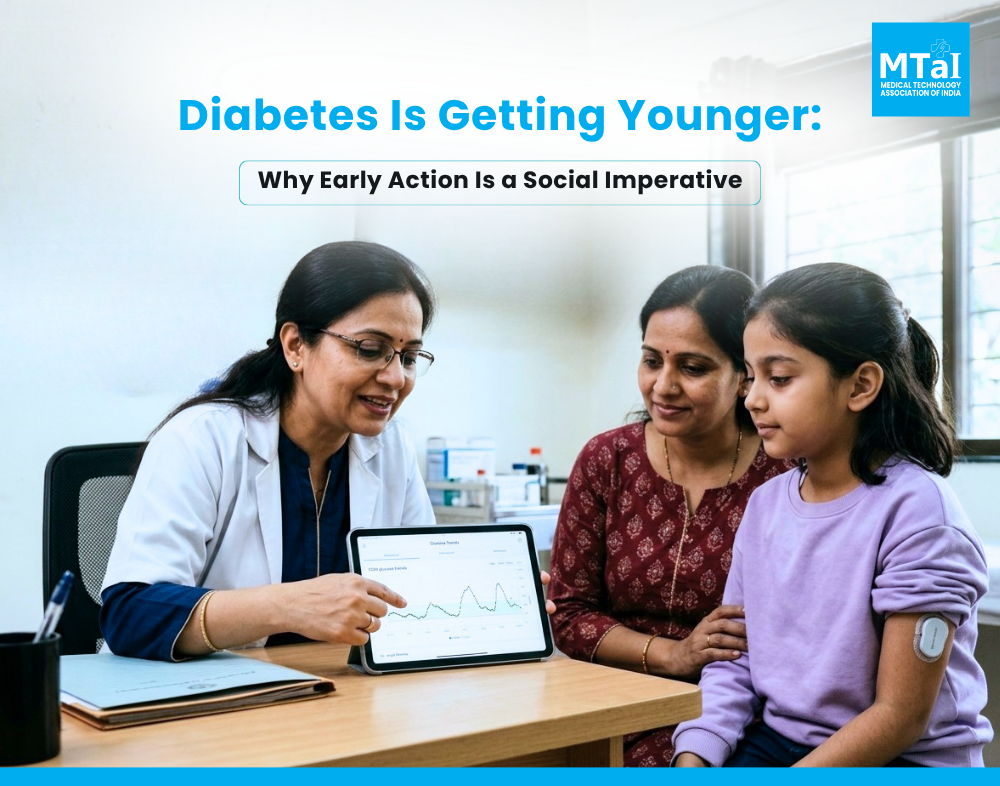
Continuous monitoring is enabling real-time personalisation of care. Wearables and connected sensors now capture clinical-grade data-heart rate, blood pressure, glucose, sleep, and activity-on an ongoing basis. When combined with analytics and AI, this data provides a dynamic view of health that periodic clinic visits cannot. For chronic diseases, this marks a shift from reactive to proactive care. Early warning signs can be detected before emergencies occur, interventions adjusted sooner, and hospitalisations avoided. Patients become active participants in managing their health rather than passive recipients of episodic care.
Precision care beyond the hospital
Personalised care is increasingly moving into the home. Portable diagnostics, remote monitoring platforms, and connected therapeutic devices are extending precision medicine beyond traditional healthcare facilities. This shift is especially relevant for India, where distance, cost, and time often limit access to frequent in-person care. Home-based personalised care improves adherence by fitting treatment into daily life rather than imposing one-size-fits-all instructions.
Global Inspiration, Local Adaptation
An instructive parallel comes from Japan’s “Society 5.0” vision, which aims to create a super-intelligent society where AI, robotics, and humans coexist to address social challenges, particularly those associated with ageing populations. This framework integrates the Internet of Things, big data, and service robotics to deliver personalised, proactive, and decentralised healthcare. In elderly care, social robots such as PARO have demonstrated the ability to reduce agitation and depression in patients with dementia, offering meaningful, non-pharmacological improvements in quality of life. In India, these ideas can be adapted to local realities. Portable “lab-on-a-chip” microfluidic devices can perform advanced screenings-for conditions such as oesophageal cancer or antibiotic resistance-using minimal samples and delivering results in under an hour. This portability is essential for rural and resource-limited settings.
PARO, a therapeutic social robot used in elderly care.
© PARO Robots | Source: parorobots.com
Patients can monitor vital parameters at home while clinicians review data remotely. Post-surgical recovery, chronic disease management, and specialist consultations can be supported without repeated travel to urban centres.
Key Trends Shaping India’s Path Forward
Several converging trends will determine how effectively personalised medicine scales in India.
Integrated biological profiling is moving beyond genomics alone. Personalised medicine increasingly combines genomics (inherited risk), proteomics (active disease pathways), and metabolomics (real-time physiological function) to create a comprehensive patient profile. In diabetes, for example, genetic predisposition may exist, but protein and metabolic patterns determine disease progression and treatment choice.
AI as a clinical intelligence layer is becoming central. AI can integrate imaging, laboratory results, vitals, medical history, and lifestyle data at a scale beyond human capacity. These models can predict individual treatment response, anticipate disease trajectories, and continuously improve as new data is added.
Population-scale genomic databases are critical. Many global datasets over-represent Western populations, limiting accuracy for Indian patients. Initiatives such as the Genome India Project, the Phenome India National Biobank, and national cancer genome atlases are essential to building representative, clinically reliable datasets that reflect India’s diversity.
What India Must Prioritise
To move from early adoption to system-wide impact, five priorities stand out: affordable and standardised genomic testing; robust digital infrastructure under the Ayushman Bharat Digital Mission; clear regulatory pathways for AI-based solutions; secure and interoperable data systems that balance innovation with privacy; and sustained collaboration across industry, clinicians, researchers, and policymakers.
A Healthcare System Built Around the Individual
Personalised medicine is not a luxury. It reflects the core purpose of healthcare: responding to each patient as an individual shaped by unique biology, risk, and lived context. For India’s MedTech ecosystem, this represents both responsibility and opportunity-ensuring innovation that strengthens equity while building a more precise, inclusive, and resilient healthcare system. India already has many of the necessary foundations in place.
The next phase depends on coordinated ecosystem development to translate innovation into patient benefit. The future of healthcare will be defined not by whether personalised medicine is possible, but by how effectively health systems adapt to individuals rather than averages. India has the opportunity to lead this shift.