Diabetes Is Getting Younger: Why Early Action Is a Social Imperative
Diabetes is no longer just a disease of adulthood. Worldwide, it is rapidly moving into younger age groups, affecting teenagers and children during critical years of growth and learning. This shift is driven by a mix of changing diets, less physical activity, rising obesity, urbanization, and inherited genetic risks. Because the disease is appearing earlier in life with each new generation, it creates a heavy financial and emotional burden that reaches far beyond the individual patient.
This trend elevates diabetes from an isolated medical concern to a major social issue.
The Strain on Families and Communities
When a child or young adult develops diabetes, the daily and financial impact falls on the entire household. Families must rearrange their lives to manage doctor appointments, strict meal plans, constant blood sugar monitoring, and daily treatments. Schools, which are often unprepared for long-term health monitoring, also face sudden pressure to adapt.
Over time, the cost of continuous care severely strains family finances. This pressure is even greater in developing economies where patients must pay for healthcare out of pocket. In India and across Asia, this challenge is complicated by low screening rates. A large portion of the population remains undiagnosed until severe health problems appear. As a result, the disease is often discovered late, making treatment far more complex and expensive.
Clear Realities and High Risks
At its core, diabetes happens when the body cannot produce enough insulin or cannot use it properly. This leads to high blood sugar, which slowly damages vital organs over time if left uncontrolled. While Type 1 diabetes requires lifelong insulin from childhood, Type 2 diabetes-historically seen only in older adults-is now rising sharply among children and adolescents. A major factor behind Type 2 diabetes is insulin resistance, where the body's cells stop responding effectively to insulin. As a result, the pancreas works harder to produce more insulin, but over time it may no longer keep up, causing blood sugar levels to rise.
While modern lifestyle changes trigger this shift, genetics remain a primary driver. South Asian populations face a unique risk: they tend to develop diabetes at a younger age, at a lower body weight, and with a higher risk of complications. This vulnerability makes early screening and continuous tracking a necessity.
How Medical Technology Supports Public Health
This is where the medical technology sector plays a vital role in supporting public health. Modern medical tools have moved beyond hospital walls and into daily life, allowing patients to manage the condition with independence and precision.
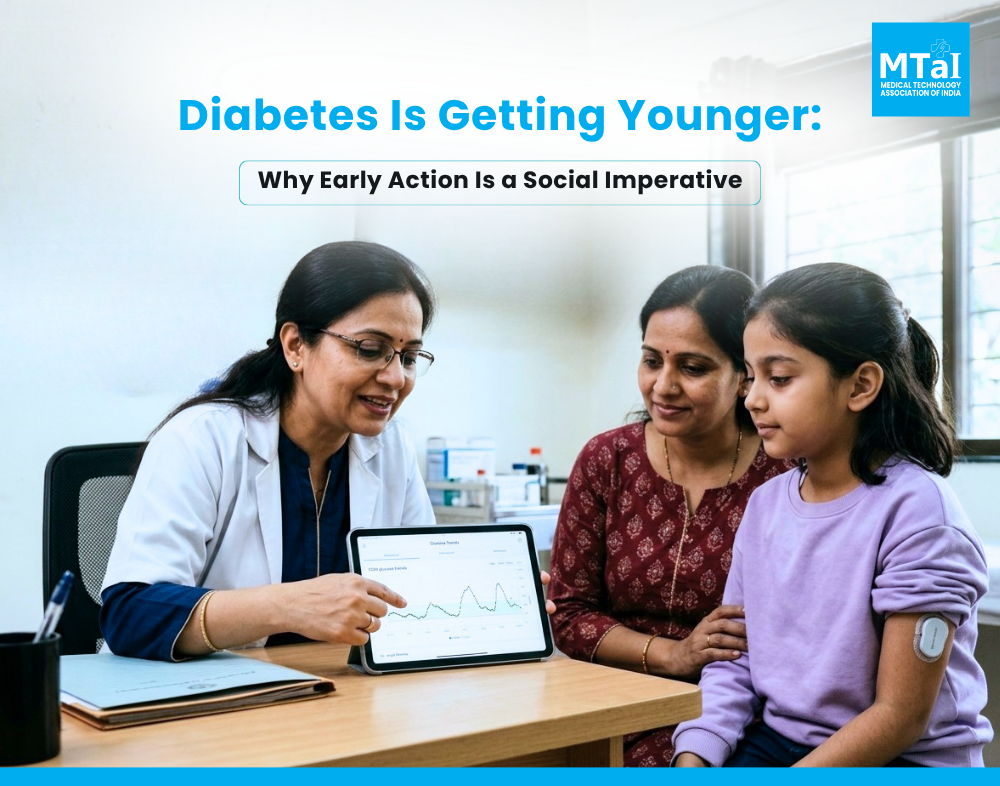
The availability of advanced glucose sensors, Continuous Glucose Monitoring (CGM) systems, smart insulin pens, and automated delivery systems fundamentally changes how care is delivered. Instead of managing the disease reactively through occasional, delayed lab tests, patients and families can track blood sugar patterns in real time. This allows them to catch dangerous highs and lows before they turn into medical emergencies.
For a young patient, using these data-driven tools replaces constant anxiety with predictability. Continuous sensors eliminate the pain and guesswork of routine finger-prick tests, while connected delivery tools ensure accurate insulin dosing. These technologies move care away from sudden crisis management toward steady, daily health maintenance.
Building a Stronger, Fairer Healthcare System
As an industry association representing research-based MedTech companies, we have witnessed firsthand the transformative impact that strategic integration of medical technology can have on public health systems. In countries like India, where the disease burden is massive and healthcare resources are unevenly distributed, scalable technology bridges major gaps. It helps standardize early screening and ongoing care in both large cities and rural communities.
| Health Management Style | Traditional Care | Modern Tech-Supported Care |
| Data Collection | Occasional, delayed laboratory blood tests | Real-time, continuous tracking |
| Action Taken | Reactive treatment after a crisis occurs | Proactive, daily adjustments |
| Hospital Burden | Frequent emergency visits and admissions | Safe, home-based health management |
By shifting care to a home-based model, these tools prevent severe complications, keeping patients out of crowded hospital emergency rooms. Therefore, medical technology does more than improve individual health numbers; it protects overall public hospital capacity.
Furthermore, these innovations address a critical issue of fairness. In low- and middle-income regions, high-quality diabetes management is frequently restricted by high costs and a shortage of specialized doctors.
By working to make these diagnostic and monitoring tools simpler, more affordable, and directly connected to local clinics, the medical technology sector helps democratize care. Bringing these tools to primary healthcare networks ensures that vulnerable young people receive timely support early in life, protecting them from decades of preventable health struggles.
Looking Ahead
The future of diabetes care relies on connecting smart monitoring tools, intelligent insulin delivery, and digital support systems that help patients adjust their daily habits.
However, technological innovation cannot work in a vacuum. Tools must be designed for real-world reliability, mass production, and affordability. A technological breakthrough only achieves true social value when it successfully reaches the people who need it most.
Ultimately, tackling early-onset diabetes is a broad social responsibility. It is about protecting childhood, preserving long-term productivity, and reducing health inequalities. The medical technology sector is an essential partner in this effort. By investing in tools that allow for early action and steady control, we can turn advanced technology into practical public health solutions that protect the next generation.