Women’s Health Innovations: Why MedTech Matters for Holistic Care
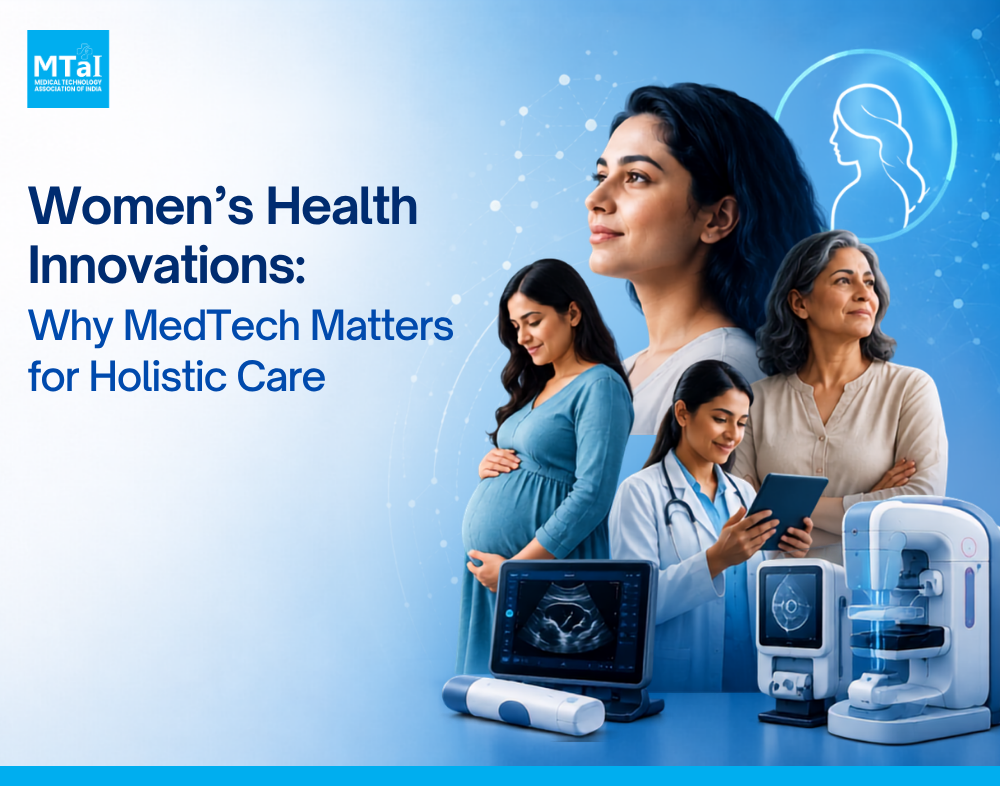
Women’s health is undergoing a profound, overdue shift. Advances in point-of-care diagnostics, continuous remote monitoring, artificial intelligence, and digital care delivery are opening up crucial opportunities to spot diseases earlier, rethink fertility care, and support pregnancies far beyond the traditional, episodic clinic visit.
The need for this shift is vast. According to the World Health Organization (WHO), roughly 17.5% of adults-about one in six people globally-experience infertility in their lifetime. This isn't just a high-income trend; prevalence stands at 17.8% in high-income countries and 16.5% in low- and middle-income nations.
Similarly, maternal health highlights a critical, ongoing challenge. In 2023, approximately 260,000 women died from pregnancy-related causes-amounting to over 700 preventable deaths every single day. The global maternal mortality ratio of 197 per 100,000 live births remains far above the UN Sustainable Development Goal target of under 70 by 2030. Another major challenge is the high prevalence of cancer and delays in detection due to societal stigma and cultural barriers. According to IARC, India recorded an estimated 237,231 new breast cancer cases and 96,100 related deaths in 2024, with breast cancer accounting for 30.4% of all cancers among women. Cervical cancer was the second most common cancer among Indian women, with an estimated 79,360 new cases and 36,319 deaths, representing 10.2% of female cancers.
These stark numbers underline a fundamental reality, women’s health innovation isn’t just a consumer-tech trend. It is a core clinical and health-system priority. Medical technology can bridge systemic gaps across prevention, diagnosis, monitoring, and treatment-provided innovation remains grounded in clinical evidence.
Beyond Episodic Care: Fixing the Fragmented Journey
Traditionally, healthcare operates through isolated encounters. Menstrual symptoms are rarely connected to future fertility concerns, pregnancy monitoring often cuts off abruptly post-delivery, and chronic pelvic pain is frequently treated symptomatically for years before the root cause is investigated.
An example of this would be endometriosis and chronic pelvic disorders, A 2024 systematic review revealed that diagnostic delays stem from repeated consultations, delayed specialist referrals, and misdiagnoses. In India, data from the Endometriosis Clinical and Genomic Registry shows substantial delays and severe geographic disparities in how patients access care.
MedTech helps address this fragmentation by turning disconnected touchpoints into continuous, usable health data. Devices designed specifically for targeted conditions-ranging from specialized hysteroscopes for fibroid management to non-invasive, wearable Transcutaneous Electrical Nerve Stimulation (TENS) devices that alleviate dysmenorrhea-are reshaping how women manage localized pain and underlying pathologies.
By integrating continuous symptom tracking and localized clinical tools, MedTech gives doctors real longitudinal context rather than a brief consultation snapshot. The goal isn't to replace doctors, but to ensure patients reach the right specialist faster with better data.
Bringing Diagnostics to the Patient
One of MedTech's most vital contributions is decentralizing diagnostic care. By placing point-of-care tests, portable imaging, and AI-assisted screening directly into primary health centers and community clinics, we can dramatically alter care trajectories.
Specific device categories transforming decentralization include:
- Point-of-Care Testing (POCT) Kits: Portable devices for rapid screening of Sexually Transmitted Infections (STIs), Bacterial Vaginosis, and high-risk HPV strains without waiting on centralized laboratory turnaround times.
- Handheld, Smartphone-Connected Ultrasound: Ultra-portable probes allow midwives and primary clinicians to perform bedside fetal assessments and fertility evaluations in low-resource environments.
- AI-Assisted Digital Colposcopes: Smart visual examination tools that assist non-specialist health workers in accurately identifying precancerous cervical lesions early.
- Specialized Emergency Interventions: Life-saving clinical hardware like vacuum-induced uterine control devices designed to rapidly manage postpartum hemorrhage-the leading cause of maternal mortality-at the point of delivery.
- Portable Breast & Cervical Cancer Screening Solutions: Mobile mammography and portable breast imaging systems, coupled with point-of-care HPV testing and digital colposcopy, can enable earlier detection and referral for breast and cervical cancers, particularly in underserved and remote communities.
The WHO highlights that digital and portable health technologies are essential to overcoming socioeconomic, cultural, and geographical barriers. However, tech alone won't suffice; success hinges on clinical integration, health-worker training, and building patient trust.
Smart Monitoring: From Snapshots to Continuous Insights
Reproductive and maternal health risks do not remain static between doctor visits. Blood pressure can spike rapidly during pregnancy, physiological signals alter across the fertile window, and post-menopausal bone density changes silently over time.
A new ecosystem of smart devices provides continuous data streams to monitor these dynamic shifts:
- Wearable Hormonal & Ovulation Monitors: Connected wristbands, bio-sensing rings, and smart basal body temperature (BBT) sensors that track core body temperature, sweat electrolytes, and urinary hormone surges to manage fertility and spot underlying metabolic disruptions like PCOS.
- Remote Maternal-Fetal Patch Biosensors: Wearable telemetry patches that monitor fetal heart rates and uterine contractions remotely, alerting clinicians to high-risk pregnancy complications from the comfort of the patient's home.
- Digital Pelvic Floor & Urogynecological Trainers: Smart biofeedback probes and pelvic trainers that guide women through real-time rehabilitation to treat urinary incontinence and pelvic organ prolapse.
- Post-Menopausal & General Health Tech: From targeted cooling devices that mitigate hot flashes to Dual-energy X-ray Absorptiometry (DXA) bone density scanners designed to detect osteoporosis early.
Yet, evidence-based caution is required. A wearable device estimating a fertile window is not a replacement for a clinically approved diagnostic tool. Recent reviews emphasize that while wearable tech holds promise, evidence directly linking digital tracking to improved, hard clinical outcomes (like live-birth rates) remains variable. Responsible innovation requires prospective evaluation in real-world populations, clear regulatory classifications, and transparent claims.
Moreover, because reproductive health data is extraordinarily sensitive, robust cybersecurity, strict data minimization, and explicit consent are paramount. Personalization must never turn into surveillance.
Global Partnerships & Scaling India’s Potential
Building and scaling these clinical-grade solutions requires more than just an innovative app or a prototype. It demands rigorous clinical validation, regulatory expertise, manufacturing standards, and post-market surveillance.
This is where structured international technology partnerships-such as joint ventures between global MedTech leaders and regional innovators-become vital. As the WHO notes, true technology transfer involves sharing technical know-how, quality management frameworks, and performance skills, rather than merely exporting finished hardware.
India presents a compelling case for scalable, technology-led care. While India’s Maternal Mortality Ratio saw a commendable decline from 130 per 100,000 live births (2014-16) to 88 (2020-22), regional disparities remain sharp across districts. Portable, connected MedTech platforms-such as battery-operated cervical screeners, handheld ultrasound, and mobile-linked fetal monitors-can empower India's frontline health workers (like ASHA and ANM workers) to screen for high-risk pregnancies and reproductive conditions across under-resourced areas, provided devices are adapted for intermittent connectivity, local languages, and high workload environments.
The Path Forward
As the next generation of women’s health technologies takes shape, solutions should be held to five clear tests:
- Clinical Relevance: Does it tangibly improve diagnostic or referral speeds?
- Evidence Quality: Is it validated in the specific population where it will be used?
- Interoperability: Can device-generated data integrate securely into existing health systems?
- Equity of Access: Is it accessible regardless of income or geography?
- Accountability: Are clinical claims and data privacy safeguards clear?
Ultimately, progress in FemTech and women's health will not be measured by app downloads or device launches. It will be measured by whether a woman receives an earlier diagnosis, better-informed care, and continuous support across her health journey.